Escape room 15+
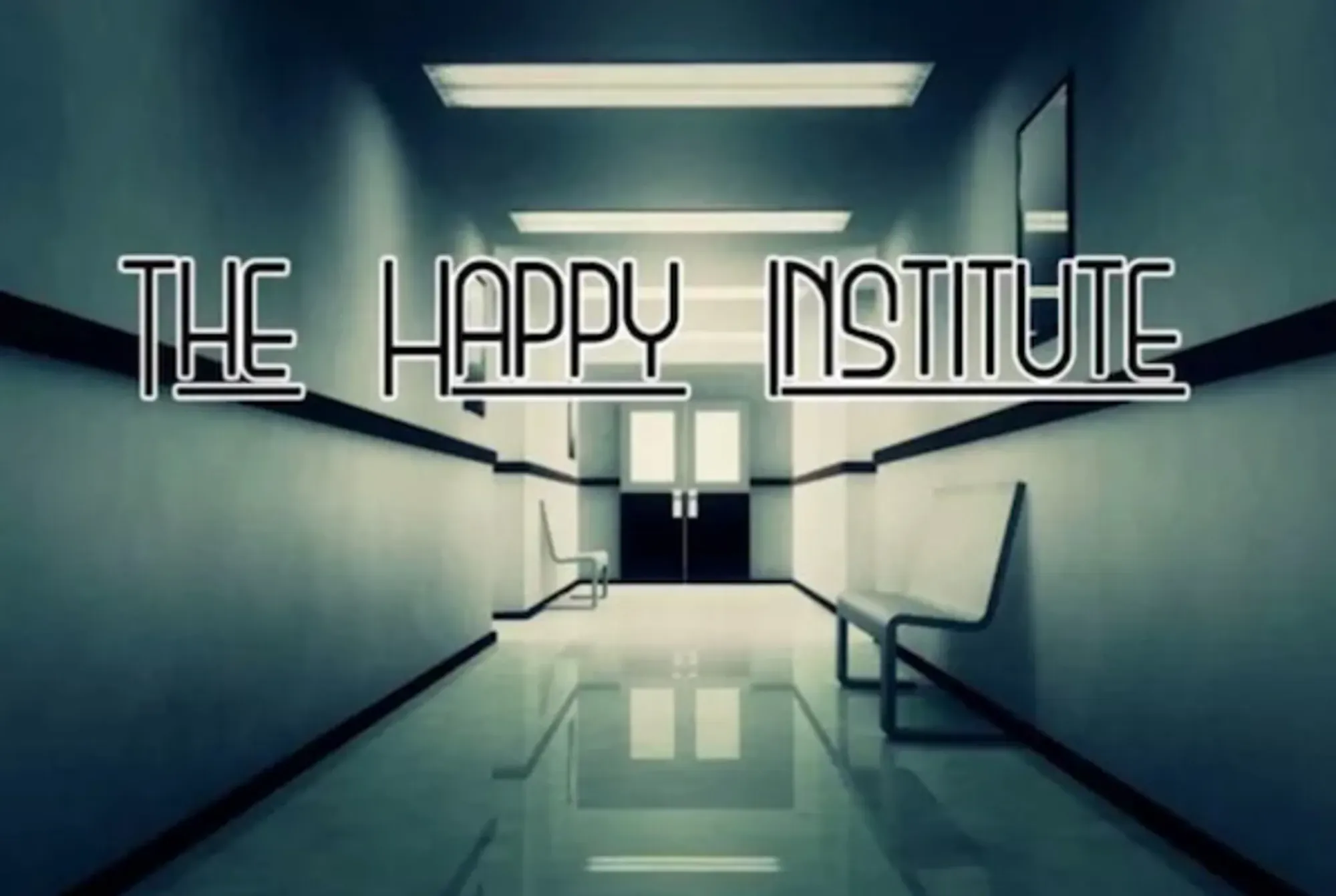
The Happy Institute
- 2–8Players
- 60 minutesTime
- Difficult. Dense puzzles. Better with some experience.Difficulty
- A bit scary. Jump scares and dark scenes.Scariness
About the escape room
Welcome to The Happy Institute! Are you ready to face the darkness inside and make the change to happiness? It’s only a pill away… What’s the worst that could happen?
Wouldn’t it be nice if everyone were happy? Here at the Happy Institute, testing is going swimmingly with our newest mood enhancer and cognitive supplement; Risus. You have been invited to test the drug in its most recent strain, to help suppress those pesky negative emotions. RESULTS CLASSIFIED. SIDE EFFECTS GUARANTEED
The latest horror event is sure to chill you to the bone! With challenging puzzles and a live actor, this experience will make you unable to look at hospitals the same way again! you’re guaranteed to come out with a smile on your face; whether you like it or not!
The owner of this escape room has not yet confirmed their details.
If you are the owner of this escape room, please confirm your details so that customers can see your contact information for bookings.Location
Access via: The Grove (Rear Of Wing Lee)
Paid Parking
Wifi
Wardrobe
AI Overview
AIPlayers consistently rave about the live actor, who drives immersion and keeps momentum high. Puzzles lean linear and relatively basic, with guidance folded into the performance rather than delivered over a speaker. The fear factor exists but isn’t constant; tone shifts between tense, playful, and unsettling. Several note you could replay and get a different flavor depending on the GM’s spin.
WeaknessesPuzzles can feel simple and linear, with the actor sometimes steering a bit too much. If you spook easily, focusing on tasks may be tough. A few players were unsure whether to trust in-character clues.
StrengthsStandout acting and a strong hospital-trial theme create a highly immersive experience. The flow keeps teams engaged, with some unique touches and memorable character work.
SecurityThe GM is present and attentive, setting boundaries and keeping eyes on the team throughout. Expect sudden scares and close interaction, but nothing beyond standard scare acting.
Level of fearCreepy with a few jumpy moments, but not a relentless haunt. Likely fine for most teens and adults; very nervous players or young kids may struggle.
Actors' gameThe Doctor gets glowing praise for being funny one moment and terrifying the next. Interaction is high, and the performance adapts to the team, sometimes carrying the game’s pace and tone.
Quality of riddlesGenerally straightforward and fair, more about narrative flow than deep logic. A couple of moments can stump you, but the actor nudges you forward in-character. Expect a linear path and less emphasis on heavy deduction.
PlotYou’re test subjects in a cheerful-but-wrong clinical trial that unravels into something darker. Discover what the Institute is really doing as you push deeper into the facility.
Difficulty levelBest for beginners or story-first players; enthusiasts may find it on the easier side. The actor support means teams rarely stall for long.
Other escape rooms at this location
The Happy Institute2 - 8 people
Escape rooms in Gravesend by category
Pick a vibe — every category is a real page with reviews and booking.
Reviews