Escape room 16+
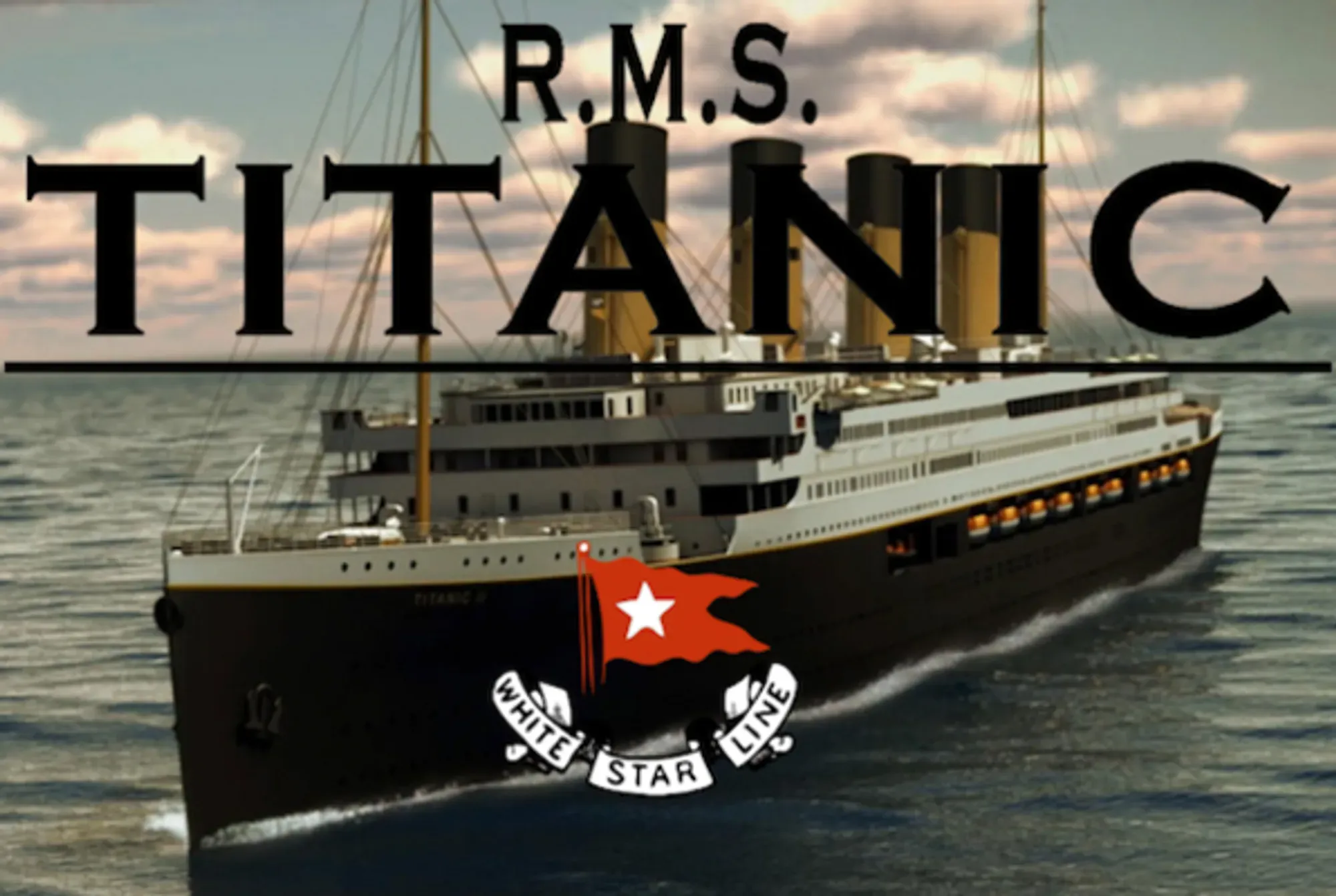
Escape the RMS Titanic
- 4–7Players
- 90 minutesTime
- Difficult. Dense puzzles. Better with some experience.Difficulty
- Not scary. Almost no tension.Scariness
About the escape room
On April 10th 1912 the largest ship ever build left Southampton on her maiden voyage. She was called the ship of dreams, transporting people to New York in the height of luxury.
Just 4 days into the journey disaster struck as she collided with an iceberg.
On board, as first class passengers, with the impending doom; what would you do to escape the ill-fated ship?
The owner of this escape room has not yet confirmed their details.
If you are the owner of this escape room, please confirm your details so that customers can see your contact information for bookings.Location
Paid Parking
Wifi
Wardrobe
AI Overview
AIPlayers consistently praise the sprawling, vertical layout and the authentic nautical theming. Many report broken or poorly maintained props that disrupt flow and lead to “what it could’ve been” moments. The hint system can feel intrusive, and communication is tricky across the large, multi-room space. The venue is hard to find with limited signage, especially without a car.
WeaknessesMaintenance issues and janky mechanisms undercut immersion and puzzle logic. Flow suffers across distant rooms, making coordination and audio communication tough. Over-eager yes/no and phone hints can spoil discovery, and the location is poorly signposted.
StrengthsStandout production design with clever nods to Titanic history and a great sense of scale. Some puzzles are smartly on-theme and satisfying when they trigger cleanly. Friendly hosting with fun trivia adds color to the experience.
SecurityNo safety issues were raised in reviews. The layout spans multiple rooms with some verticality, so watch your footing; staff monitor and brief you before play.
Level of fearNot a horror room; the tension is situational rather than scary. Suitable for families and teens who are okay with time pressure and a disaster theme.
Actors' gameHosts come across as cheerful and knowledgeable, sprinkling in Titanic facts and running live hints. Several groups felt the GM jumped in too fast with yes/no cues and phone prompts, stepping on team discussion.
Quality of riddlesThe puzzles are nautical and varied, but quality is uneven—some neat ideas sit alongside overly easy tasks and broken triggers. Cross-room links can be unclear, which hurts flow and forces shouting or splitting. When maintained, the set-puzzle integration lands well.
PlotYou’re first-class passengers scrambling to escape after the iceberg strike, piecing through cabins and ship systems to reach safety. The story threads the puzzles without heavy spoilers.
Difficulty levelModerate on paper but can feel tougher due to unclear links and the room’s size. Newer teams may feel lost; veterans might find individual puzzles easy yet be stalled by inconsistencies.
Other escape rooms at this location
Escape the RMS Titanic4 - 7 people
Escape rooms in Southampton by category
Pick a vibe — every category is a real page with reviews and booking.
Reviews