Escape room 12+
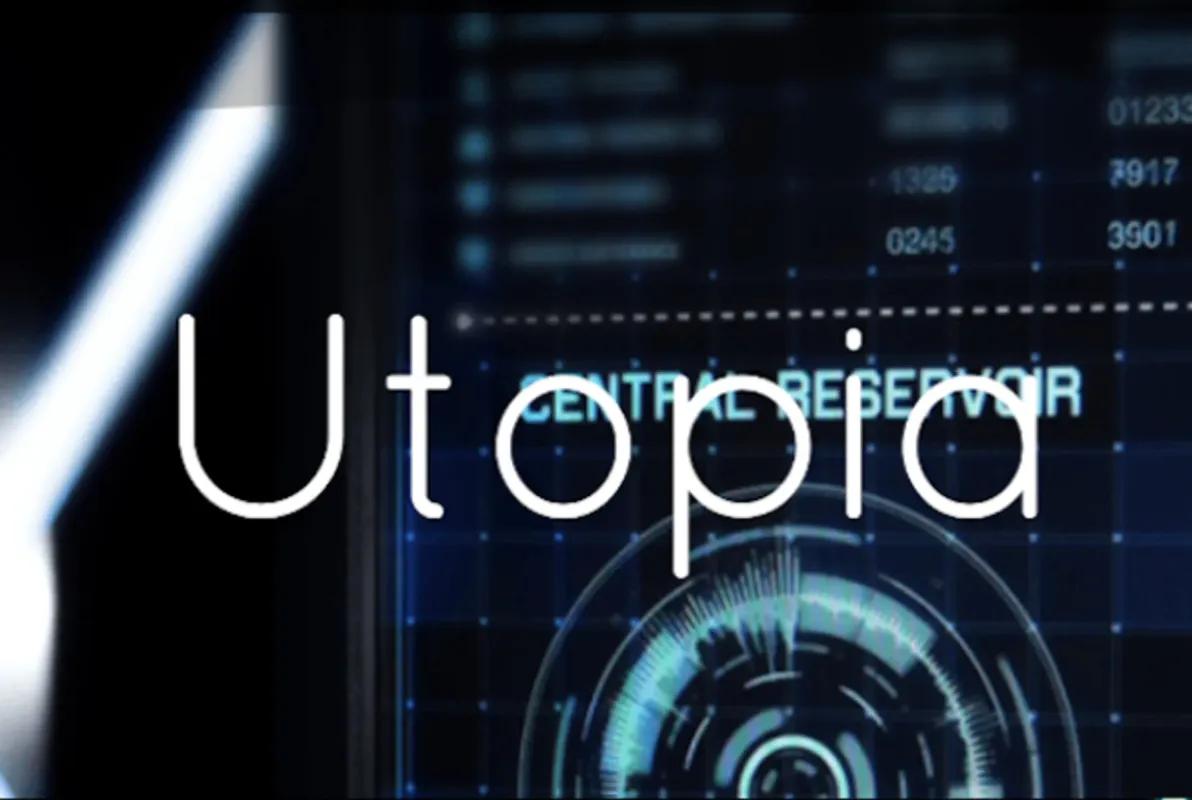
Utopia
4.61
2 - 5 people60 minutesDifficult
Company Make Your Escape
Difficult
Not scary
Without actorsActors
EnglishGame language
About the escape room
In an alternate time-line, the world is divided between those who have and those who have not.
For those in Utopia, life is good! Technologically advanced, every need is catered for, every wish fulfilled. Overseen by their benevolent government, the Utopians are protected from the outside dystopian world and the disease ridden creatures that wander there.
But is all as perfect as it seems? Are there darker truths to be uncovered?
The owner of this escape room has not yet confirmed their details.
If you are the owner of this escape room, please confirm your details so that customers can see your contact information for bookings.Location
0757 2542451
Paid Parking
Wifi
Wardrobe
AI Overview
AIPlayers consistently praise the clinical, utopian set and clever tech, with very few padlocks and lots of tactile interactions. Flow and signposting divide opinion, especially early on, and some teams lean on hints more than they’d like. GM support ranges from excellent to occasionally slow, and a rare tech or flow hiccup gets mentioned. Most suggest 4+ players or pairing it with Dystopia for the best experience.
WeaknessesSignposting can be light, so understanding what a puzzle wants may be tougher than solving it. A few teams reported slow hint delivery or a glitchy moment that broke momentum. Smaller teams may find the flow stickier and the learning curve steeper.
StrengthsBeautiful, immersive set design and strong use of technology create a distinct atmosphere. Varied puzzles and minimal padlocks keep it feeling modern and fresh. Works brilliantly as a companion to Dystopia, elevating the narrative.
SecurityThe venue is up two flights of stairs and the room includes a ladder that can be skipped if needed. Staff monitor play and the tech-heavy elements are handled safely.
Level of fearNot a scare fest—more clean, clinical sci‑fi than horror. Suitable for families with older kids who like puzzles rather than frights.
Actors' gameNo live actors; interaction comes through the Game Masters. Hosting is often praised by name, though one group reported delayed help early on.
Quality of riddlesPlenty of variety and tech-driven tasks with only one traditional lock reported by players. The challenge often sits in deciphering intent rather than execution, which some find obscure without stronger signposting. When it clicks, it’s satisfying and feels fair.
PlotA gleaming Utopia hides cracks, and you’re there to peel back the veneer without spoiling the reveal. The story lands best when experienced alongside Dystopia as a two-part tale.
Difficulty levelOverall on the tougher side, better for experienced groups or 4–6 players. Duos can still enjoy it but should expect more hints and a heavier lift.
Other escape rooms at this location
Utopia2 - 5 people
Reviews